
Signature Scents and Cleaner Intentions: A Clean Perfume Guide
We all know the intimacy of a signature scent, never feeling complete without one final spritz. And as each note clings onto your skin, or the threads of your clothes, it becomes a familiar feature that reminds others of you. A classically good fragrance becomes inseparable from who you want to be and how you carry yourself.
In an exceedingly ingredient-conscious world, half-used shampoos are discarded upon discovering questionable chemicals, or we audit the nutritional content on grocery shelves, but how often do lend our perfume bottles the same inspection?
The conscious-consumer is dominating the market. It asks the beauty industry to hold a mirror to itself and usher a change into their outdated habit of concealing questionable ingredients within pretty glass bottles. The subsequent interest in ‘clean’ fragrance is offering a wave of transparent, promising perfumeries that embraces botanic ingredients, honesty and more mindful production.
Before exploring your new signature scent, let’s familiarise ourselves with what's inside the bottle.
Defining ‘Clean’
The term ‘clean beauty’ is permeating industries but truthfully, there is no singular definition that explains what makes a fragrance clean.
Some brands embrace ‘clean’ as excluding wary ingredients such as phthalates or parabens or much of the miscellaneous components one could barely pronounce. Others prioritise naturally derived materials and responsibly sourcing ingredients, while some show transparency through sustainable packaging. With little determination of what constitutes ‘clean’ brands are finding different ways to embrace more conscious practices.
Natural sounds much more attractive than synthetic, yet it doesn't always compare as safer. Some botanical ingredients may possess naturally occurring allergens — much like the pretty berries found in the woods, harmless in appearance but not toxic to pick and eat. Likewise, some synthetic alternatives may offer more sustainable or less irritative alternatives.
Rather than searching for one definitive meaning of clean beauty, we prefer to see conscious fragrance as an invitation to become a little more curious about what we're wearing.
A Little Lesson on Ingredients
Phthalates
These may be used as solvents or fixatives when formulating fragrances, with their power to make blends bond and the scent last. Some categories of phthalates have raised concerns on disrupting endocrines, although their effects and safety profiles differ. For those wanting to reduce the uncertainty, adorning brands with explicitly phthalate-free formulations offer a simple place to start.
Fragrance Allergens
People with fragrance sensitivities may be confronted by irritation or allergic reaction when met with ingredients such as limonene, linalool and eugenol, which may occur naturally in essential oils and be synthetically replicated. Meaning it’s best to know your skin when investigating brands, for even 100% botanical blends might have its way with you.
Ingredients lists cannot tell a full story. Though, they’re deeply worth considering in alignment with brand transparency, production and your own sensitivities.
Fragrance / Parfum
Has the word parfum ever conflicted with you after spotting it on an ingredients list– thinking it was the name of the product you’re buying, not a part of its composition? Well, parfum is a blanket term representative of a blend of fragrance materials. Oftentimes not all are disclosed to defend the secrecy of brand formula. This doesn’t necessarily dictate whether a perfume is harmful though naturally makes understanding its components a little trickier.
Parabens
Parabens are preservatives that have potentially damaging implications on hormonal activity. However, similar to phthalates, the types differ. While enjoying strictly paraben-free brands makes avoidance a simple solution, it’s worth reminding that the presence of approved preservatives does not automatically make a product unsafe for our use.
The Signature Scent Edit
From scents that enhance your natural aroma, to romantic florals and warm, comforting vanillas, these fragrant selections are worth noting for the thoughtful approach to ingredients, formulation and sustainability behind the bottles.
01. Tulita — Vikasa
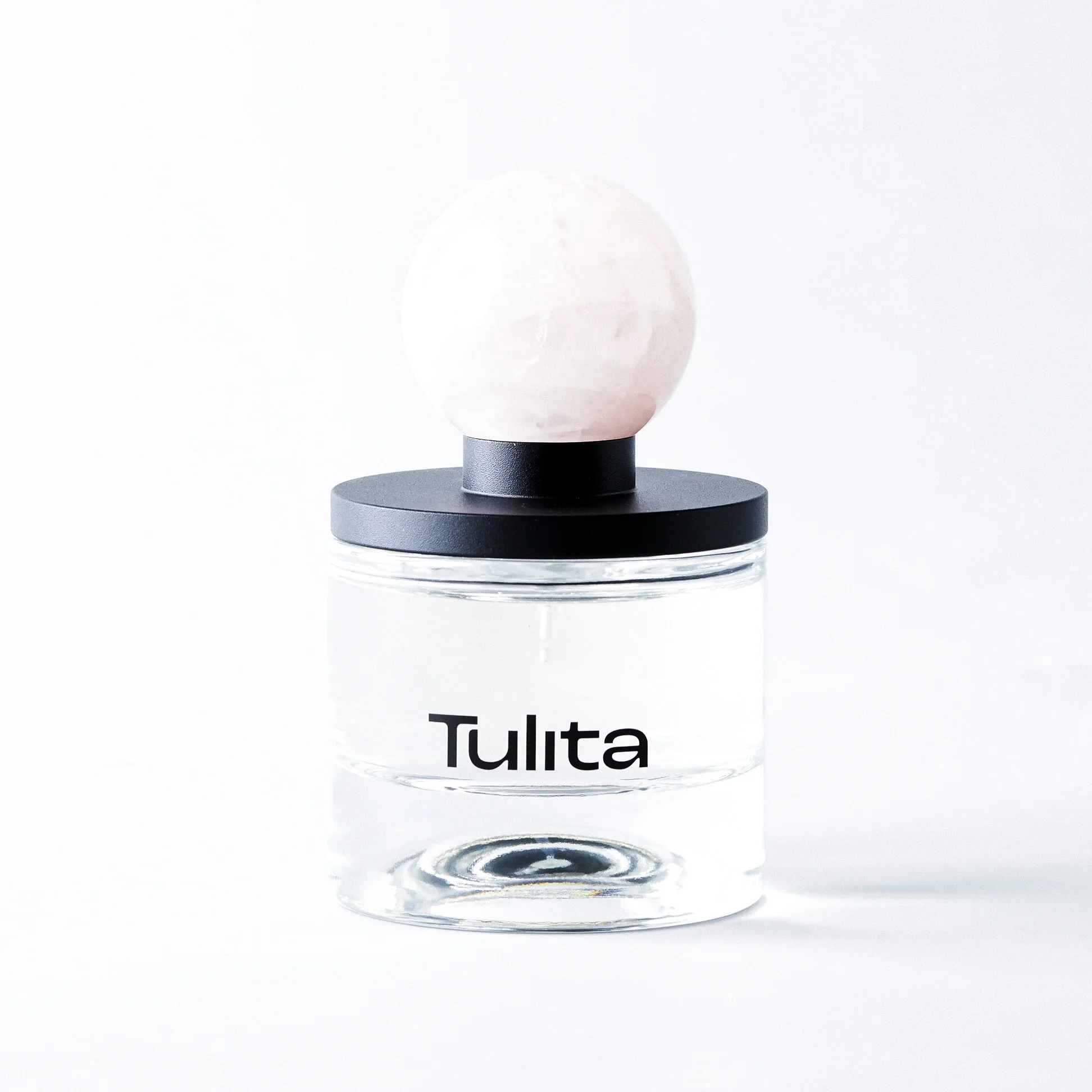
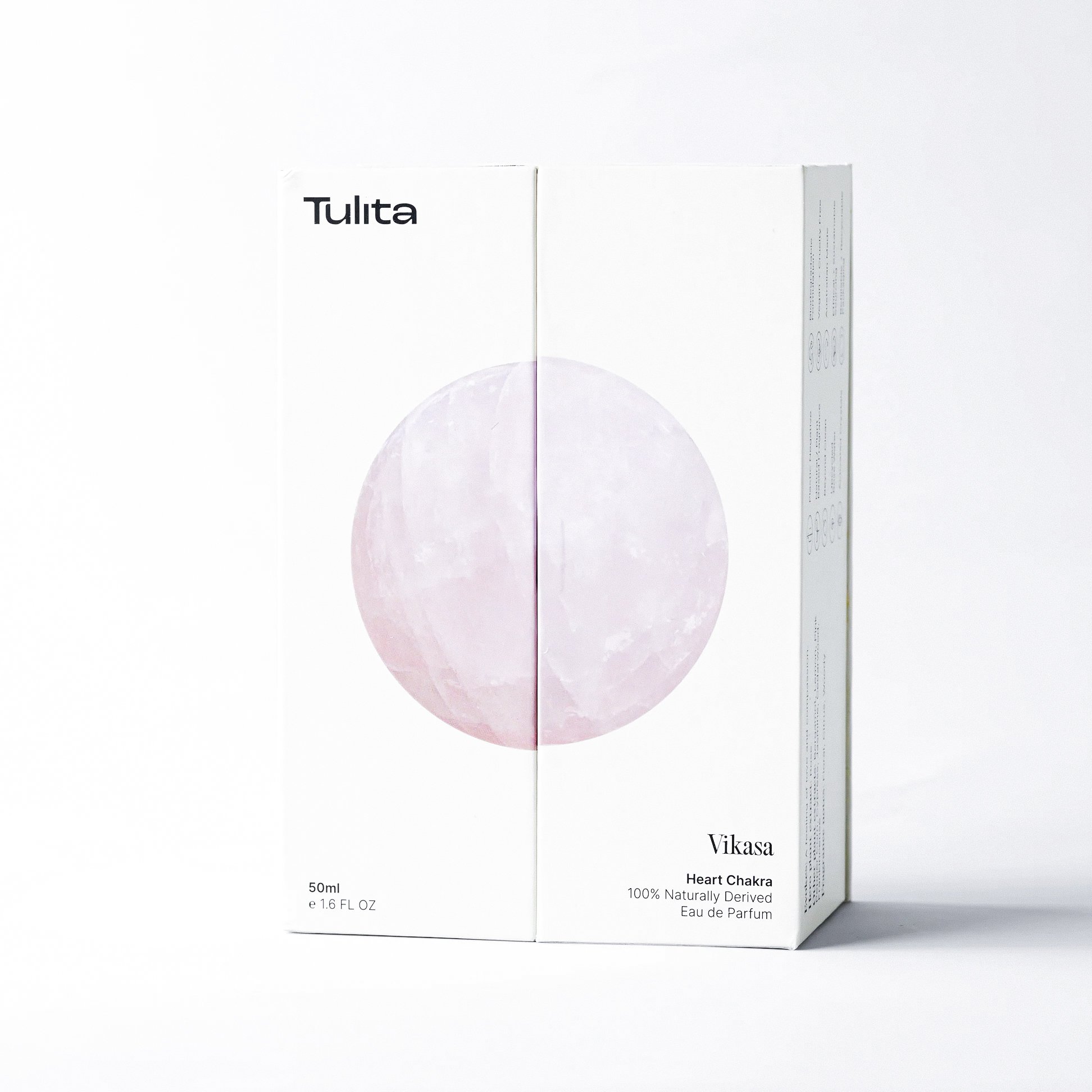
The signature quartz adorned lid makes this bottle as beautiful sitting on a vanity, as it is sitting on the skin. A gentle and woody floral, that is sweetly romantic. Vikasa beams with bergamot, lemon and pink peppercorn before easing into the florals of rose and jasmine and the warmth of cedar wood and frankincense.
Tulita holds a botanical philosophy when making fragrances, approaching naturally aromatic ingredients. Its formula contains upcycled rose water, while considering sustainability through refillable packaging.
The notes: Bergamot, rose, jasmine, cypress, cedar wood and frankincense.
Behind the bottle: Naturally derived fragrance ingredients, up-cycled materials and refillable packaging.
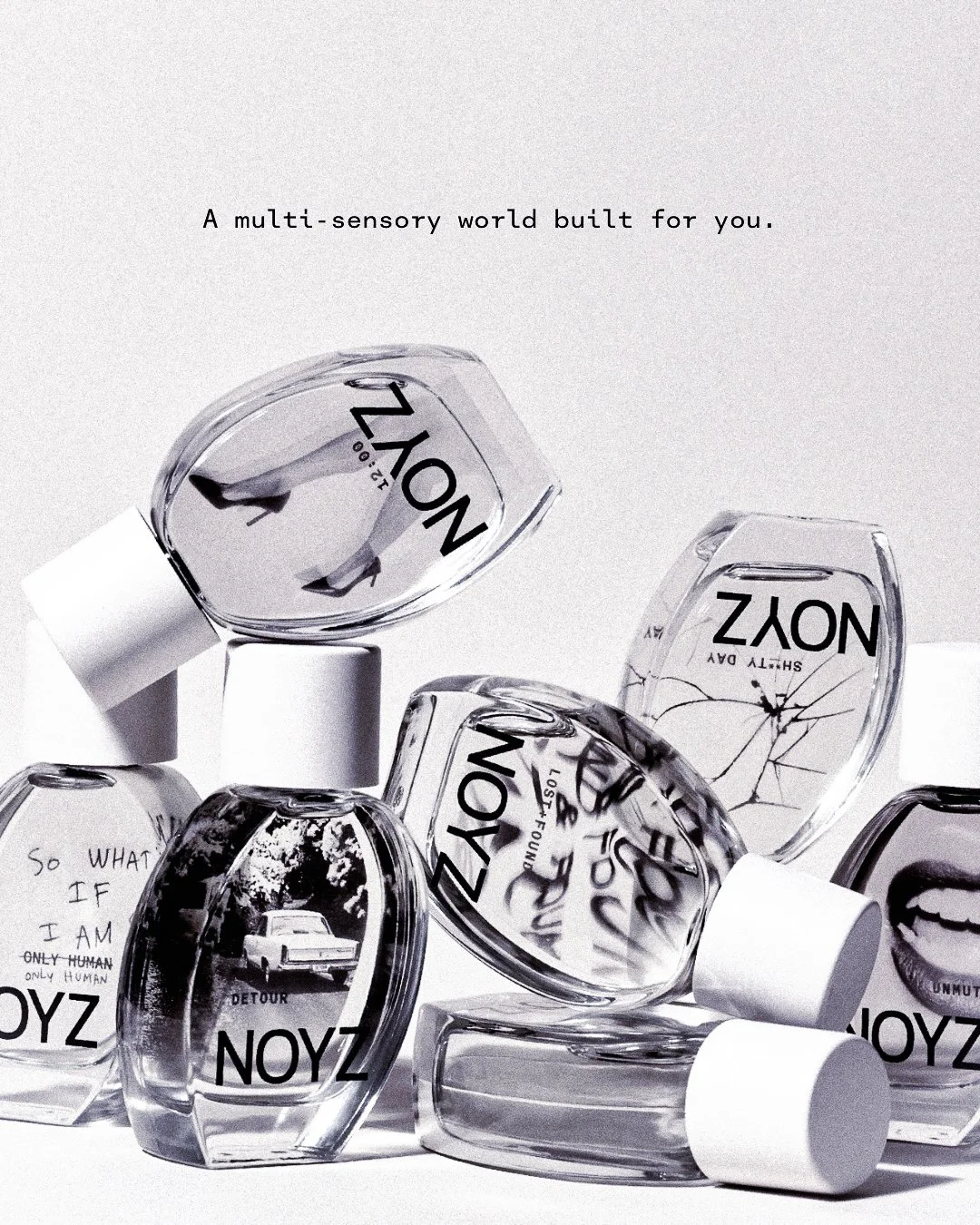
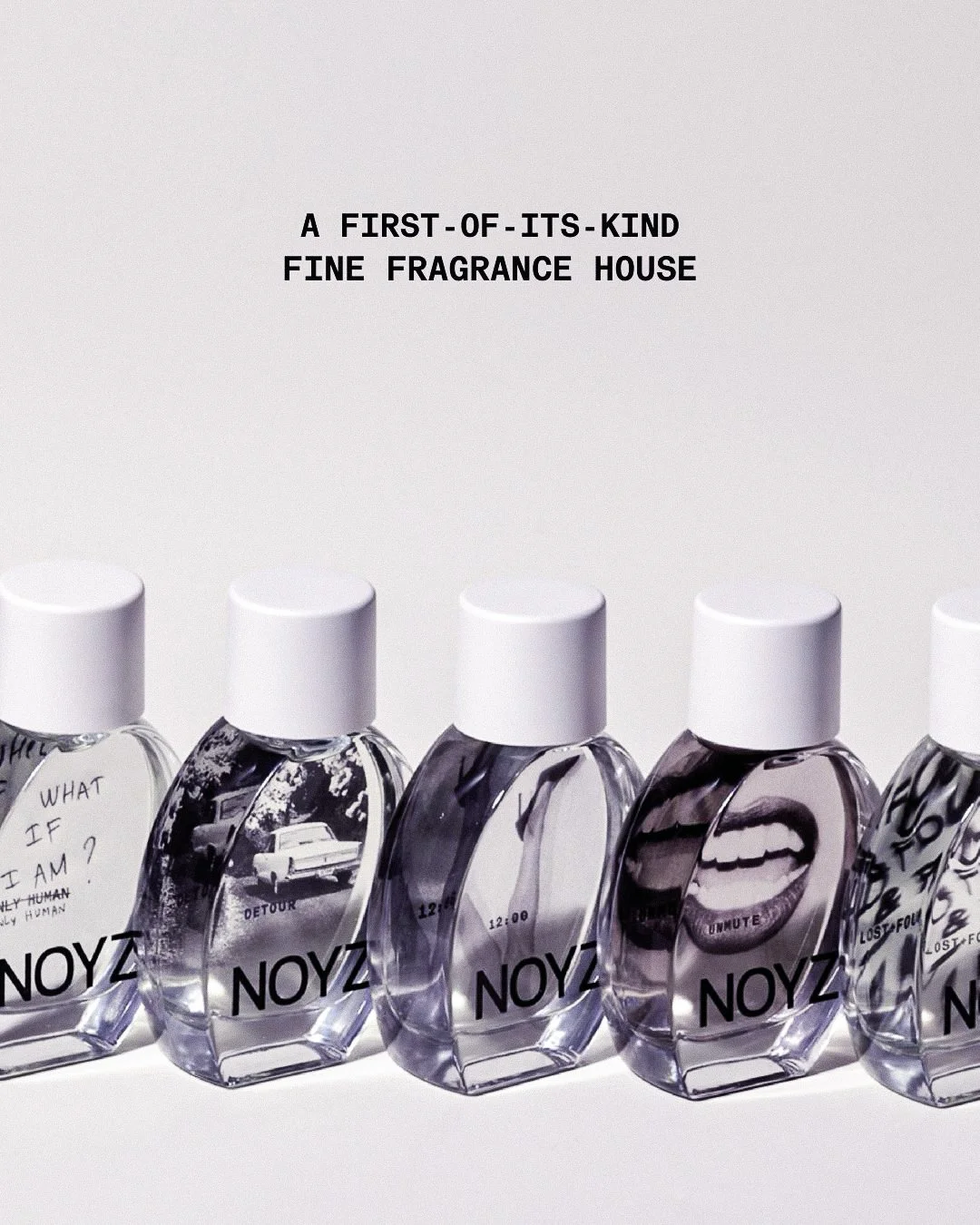
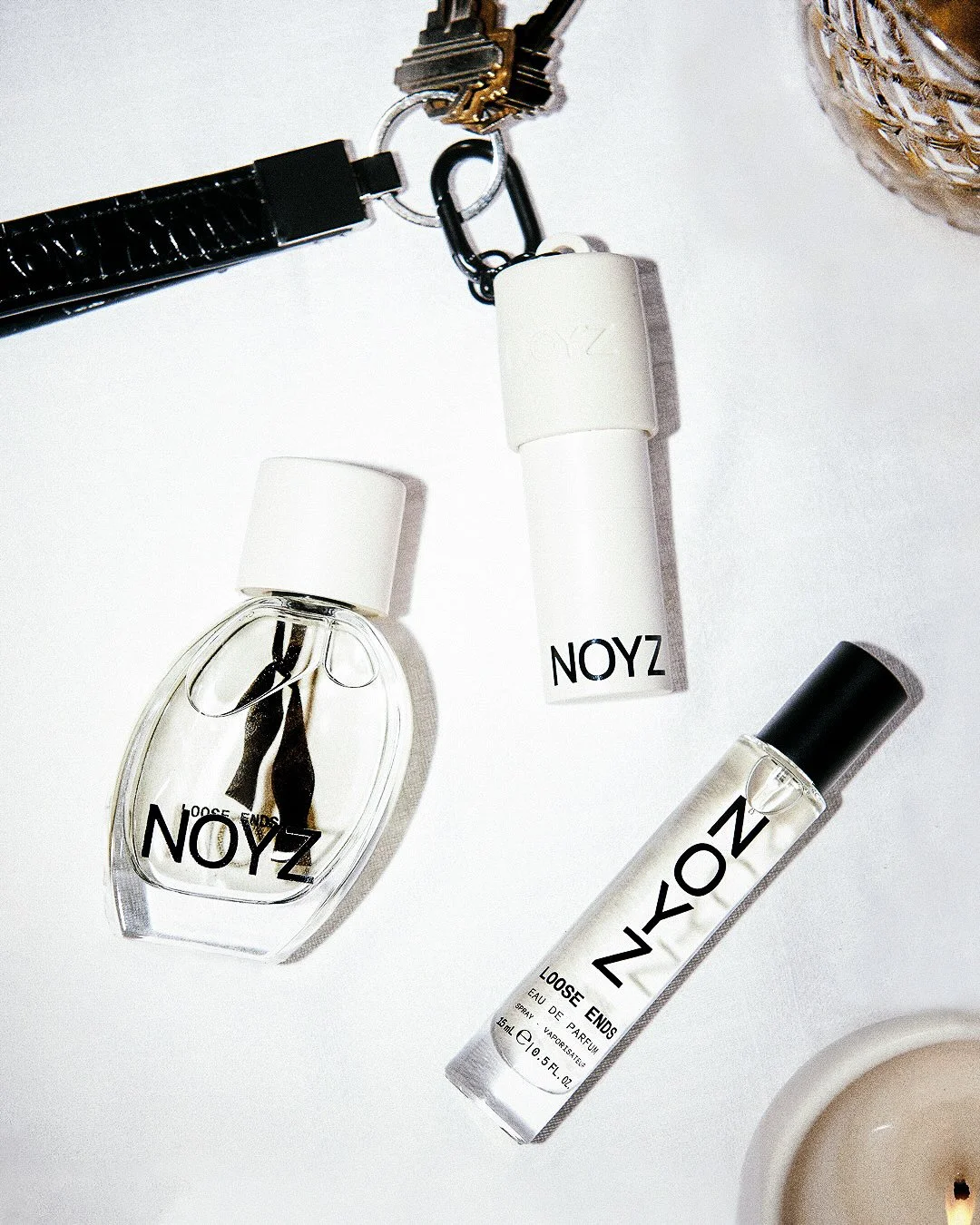
02. NOYZ — Only Human
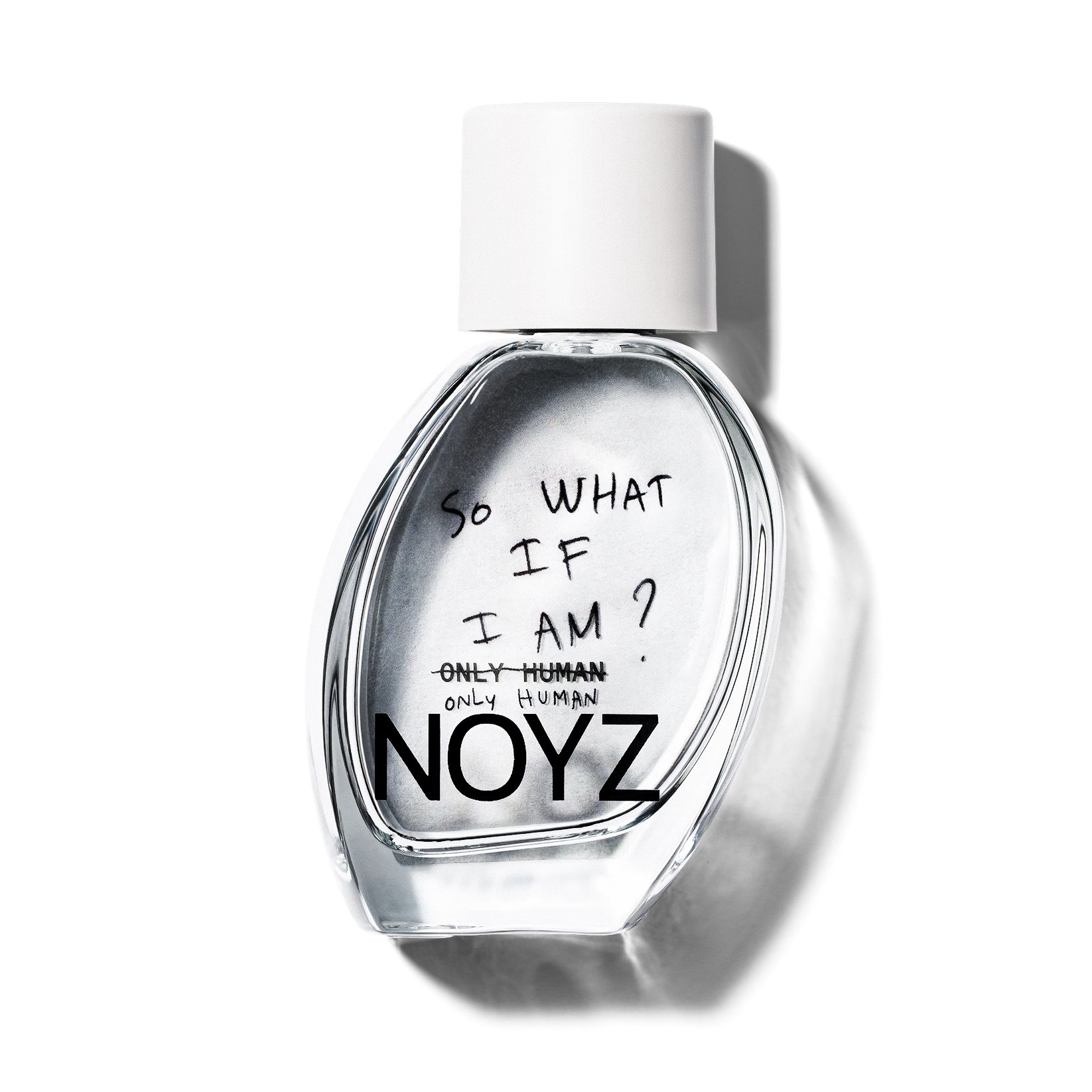
Only Human is the older, mature sister of the sickly-sweet vanilla mists of teenage years. The fragrance is a grounded and sophisticated approach to the familiar gourmand vanilla. Warmed with vanilla bean and creamy ambroxan but redefined with cedar wood, pink peppercorn, bergamot and waterlily.
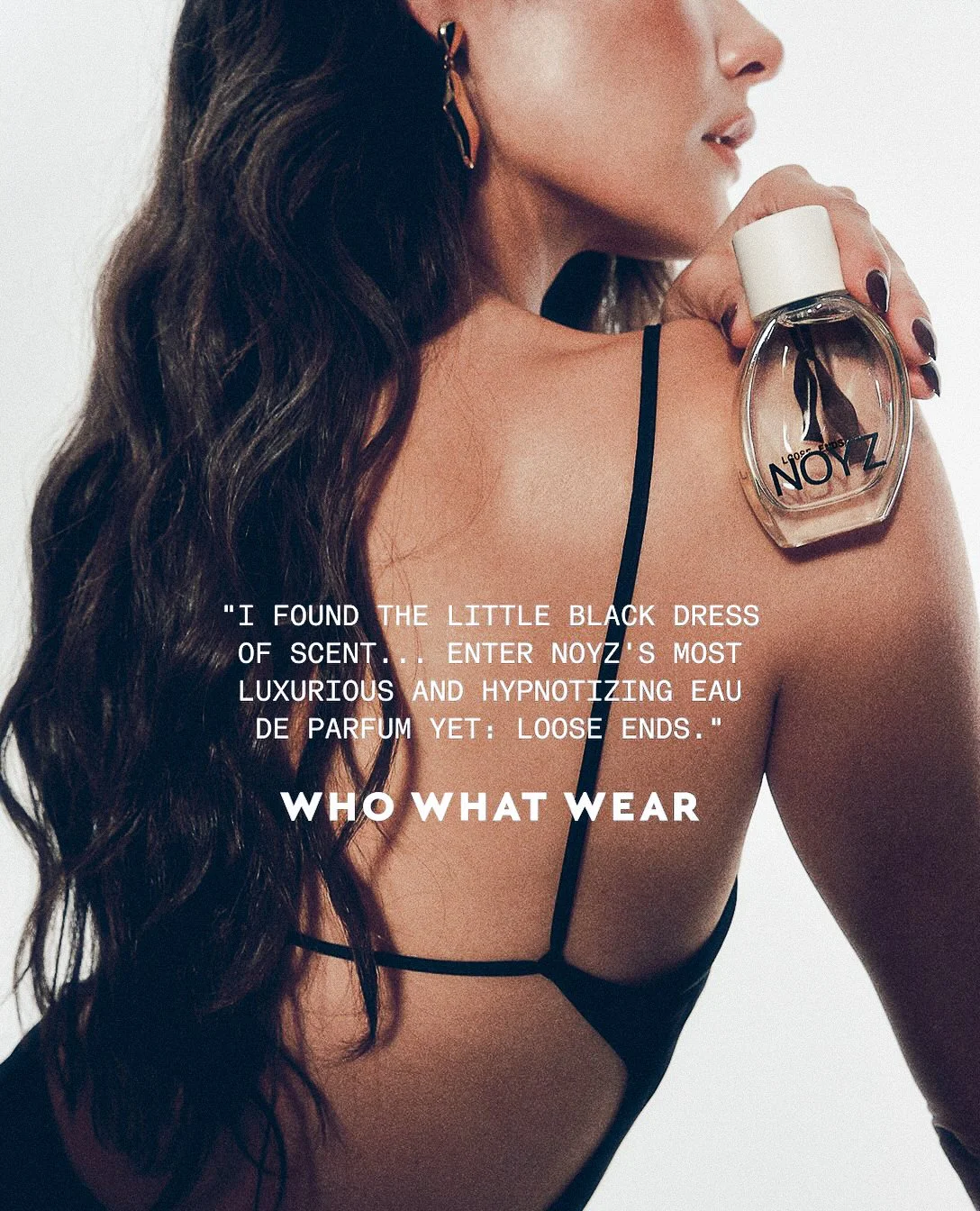
NOYZ is certified vegan and cruelty-free and explicitly excludes parabens, phthalates and synthetic dyes. It also adopts recyclable packaging practices, making its approach to ingredients and sustainability particularly easy to appreciate.
The notes: Pink peppercorn, bergamot, waterlily, vanilla bean, ambroxan and cedar wood.
Behind the bottle: Certified vegan and cruelty-free, formulated without parabens, phthalates or synthetic dyes and recyclable packaging
03. Kindred Black — Floralia Viridis
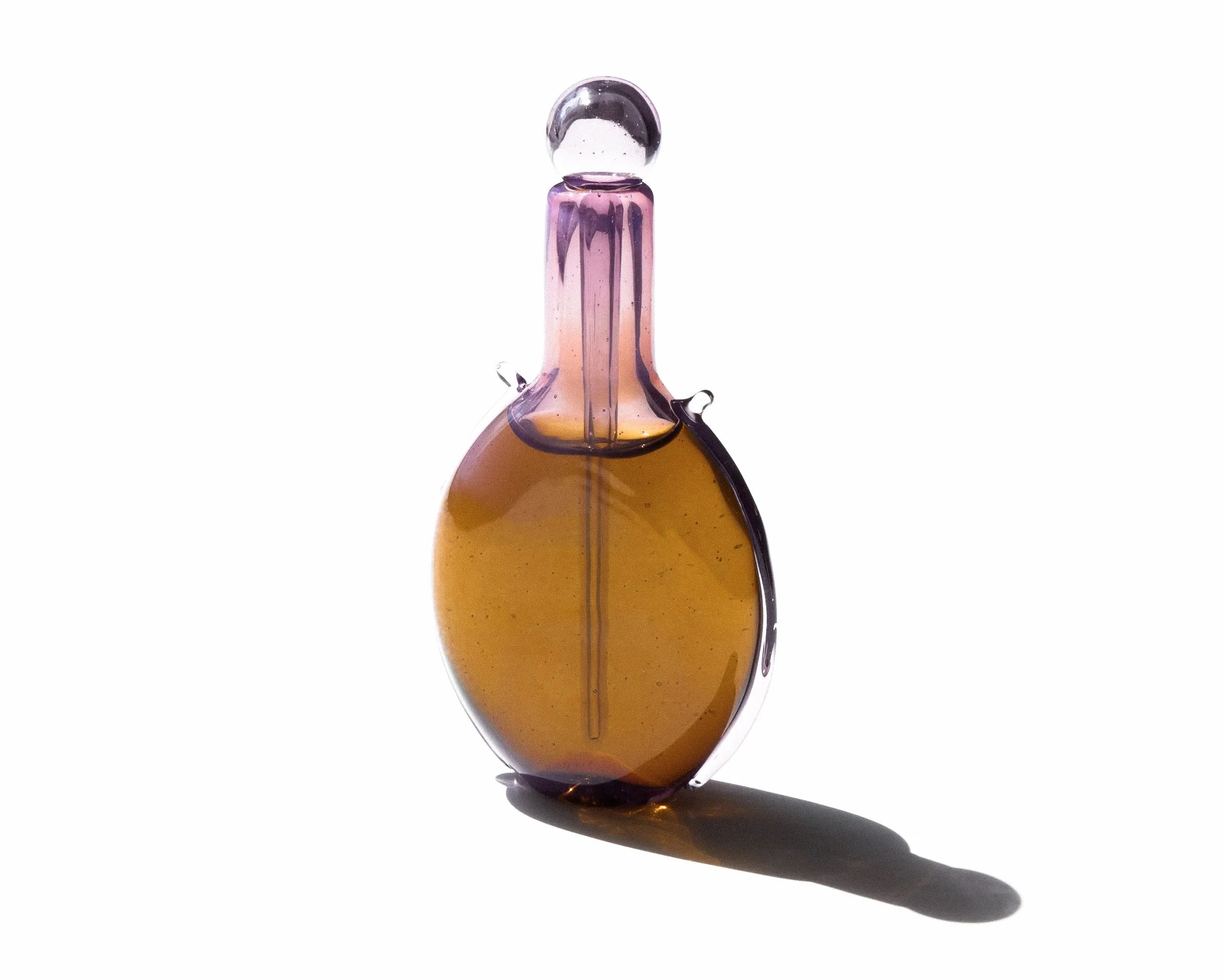
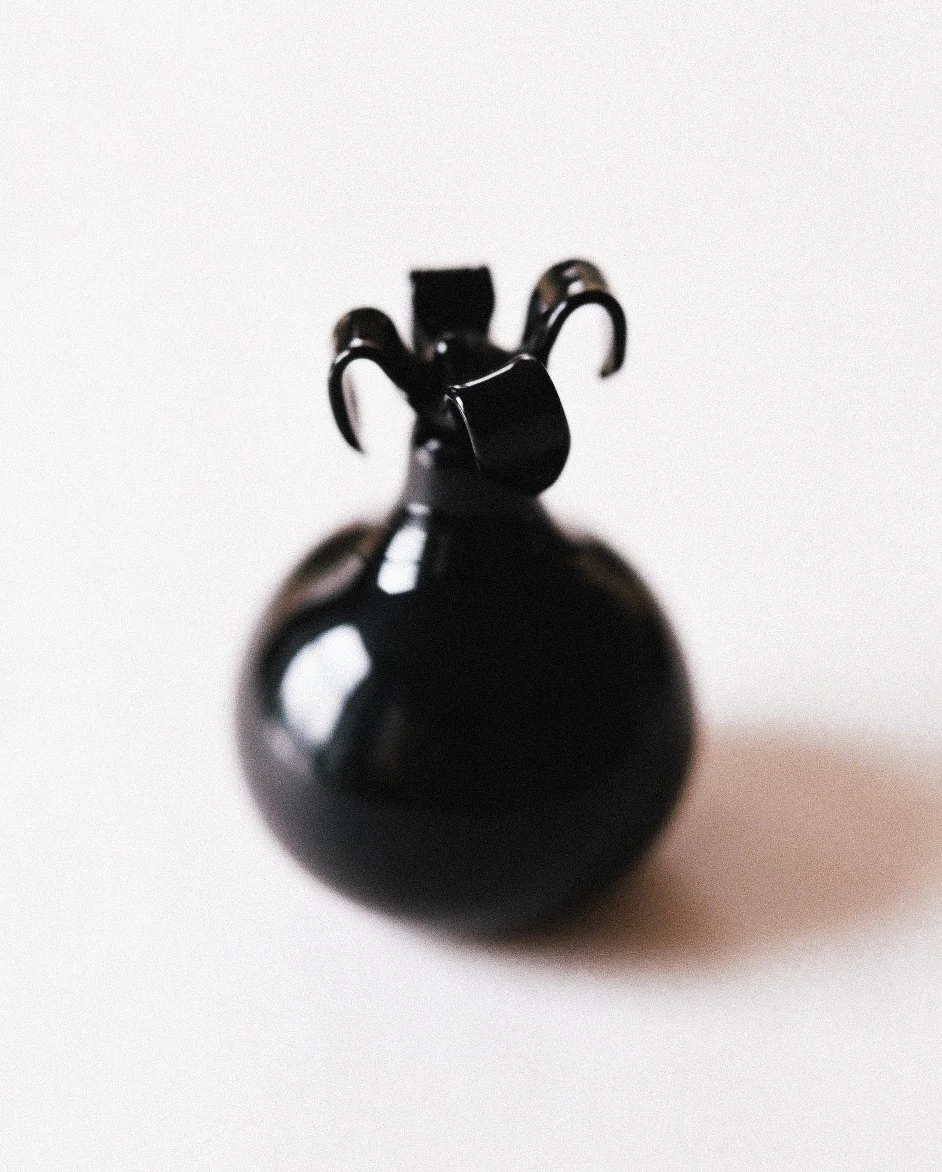
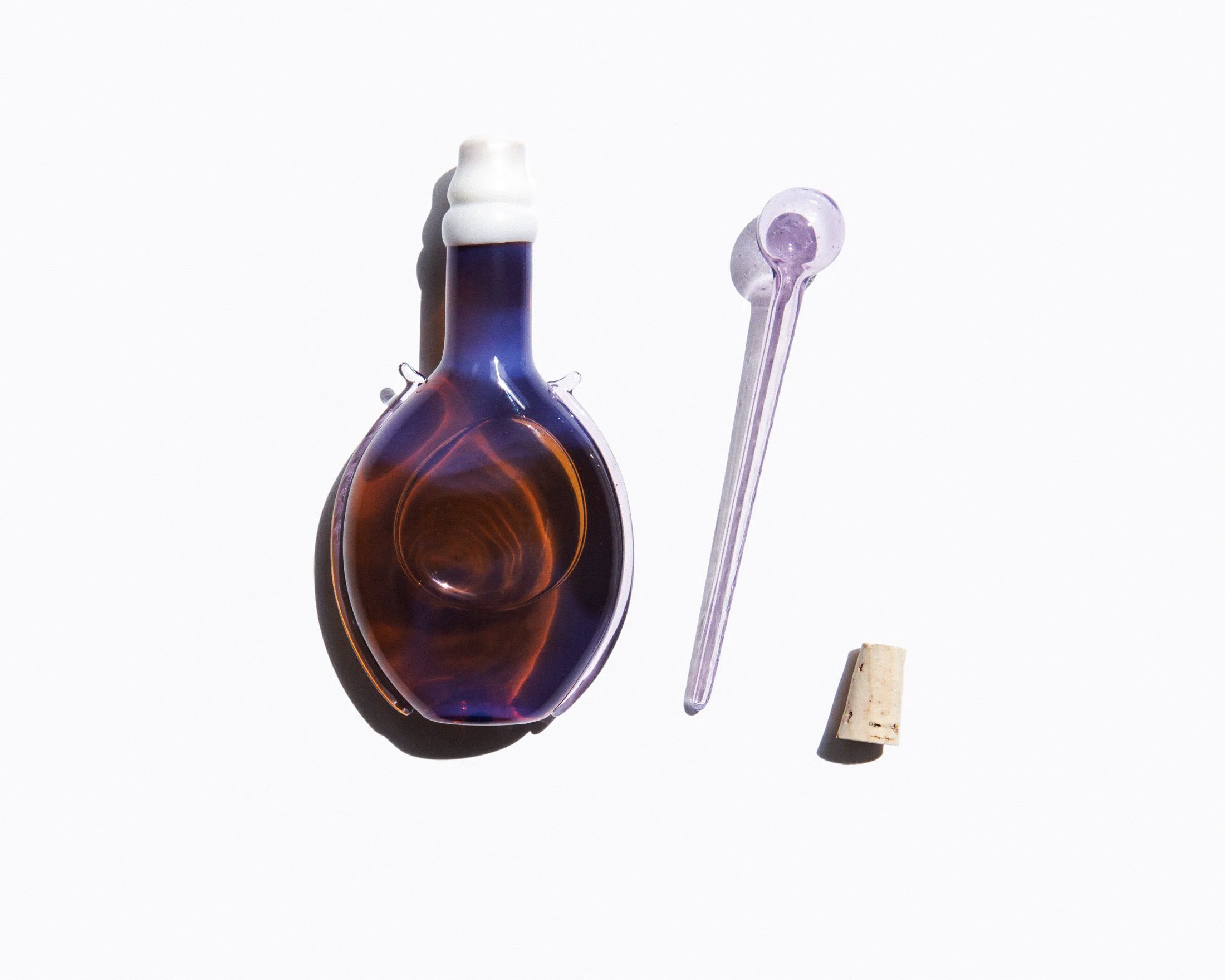
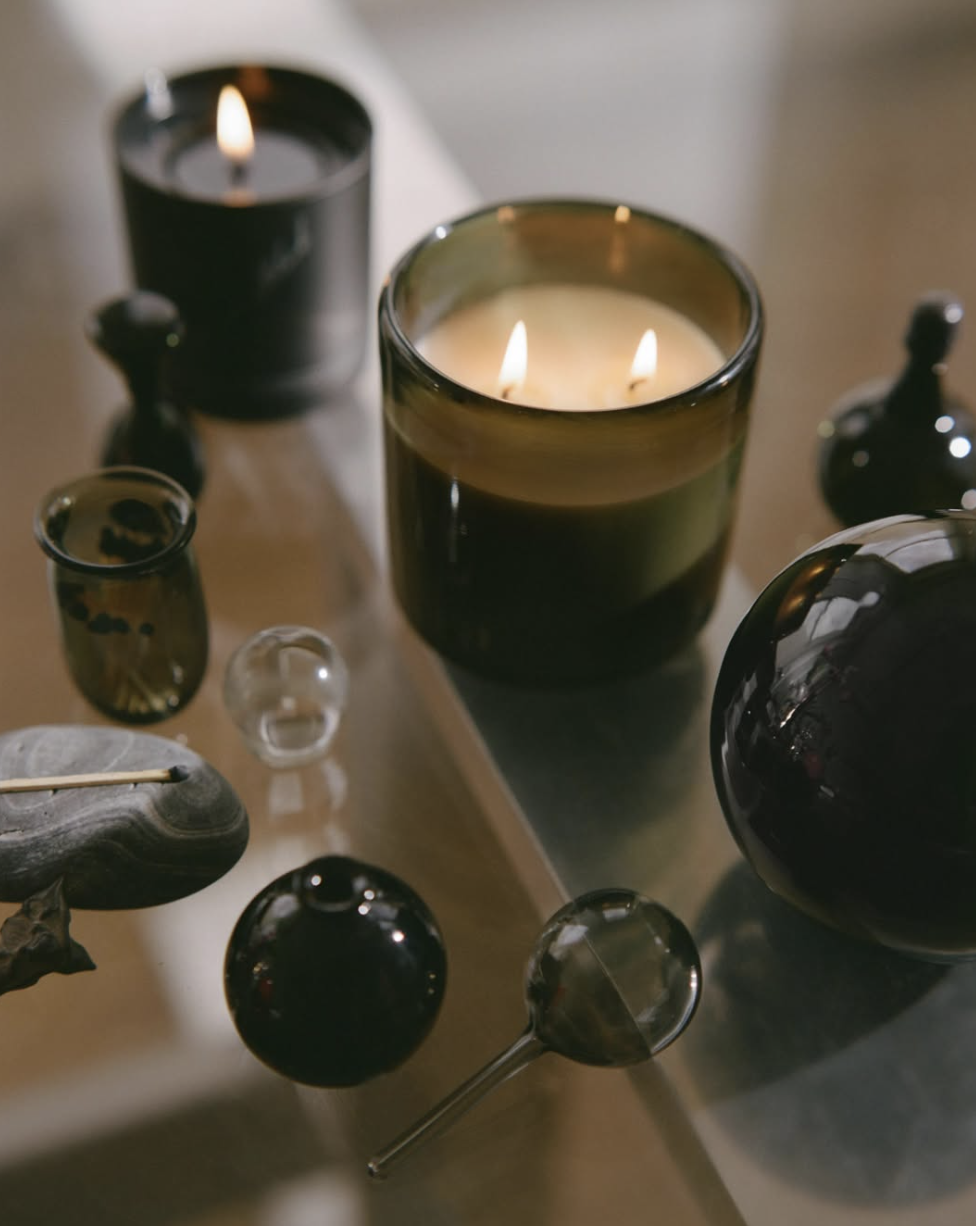
There is a definitive, antique allure to Kindred Black’s perfumery, and their intimately crafted apothecary. Wonderfully old-fashioned small-batch fragrances are made by hand using botanical materials sourced from growers and botanists before being housed within individually handblown glass bottles. There isn’t anything else quite like it.
Floralia Viridis is a beautifully earthy and unusual, green floral scent. Composed of jonquille (daffodil), Bulgarian rose, lavender, violet complete with vanilla and earthy, herbaceous notes.
Kindred Black uses oil-based formulas that deeply detail a list of botanical ingredients, including organically sourced materials.
The notes: Jonquille, rose, lavender, violet, vetiver and vanilla.
Behind the bottle: Botanical and oil-based composition, small-batch production and handcrafted glass packaging.

04. DedCool — Xtra Milk
Xtra Milk embraces the beauty in the ordinary with a scent that is comforting and not quite placeable. A combination of bergamot, white musk and amber, this is a scent that builds on your natural aroma rather than disguising it.
DedCool identifies as clean and planet-conscious, using vegan formulas and recyclable glass packaging.
The notes: Bergamot, white musk and amber.
Behind the bottle: Vegan and recyclable glass packaging.
05. Perfect Potion — Green Goddess
Green Goddess is a floral blend of essential oils that closely imitates the smell of warm spring rain. Profiled with jasmine, rose, neroli and pink lotus, against sparkling citrus, warm spices and earthy woody notes.
Australian-based, Perfect Potion is an aromatherapy brand that forms fragrances with the promise of plant-derived ethanol and essential oils, with some certified organic botanical ingredients.
While the perfume's botanical ingredients aren't a guarantee of therapeutic benefits consistent with their essential oils, the perfumes embrace a similar, calming ritual.
The notes: Jasmine, rose, pink lotus, bergamot, cinnamon, patchouli and Australian sandalwood.
Behind the bottle: Plant-derived formula, essential oils and selected certified organic ingredients.
A Final ‘Note’
The pleasure of the signature scent is selecting one that honours your personality. A gentle extension of yourself, whether you're drawn to classic vanillas or unique and earthly notes, the right perfume is ultimately the one you love wearing.
While there's no strict definition of a clean fragrance, for something so closely woven into our daily rituals, becoming more curious about ingredients, sourcing and formulation feels like a promising place to begin.